Lift pump first: why filtration beats power as a first upgrade
Before the tuner, before the intake, before the exhaust — protect the parts you cannot afford to replace.
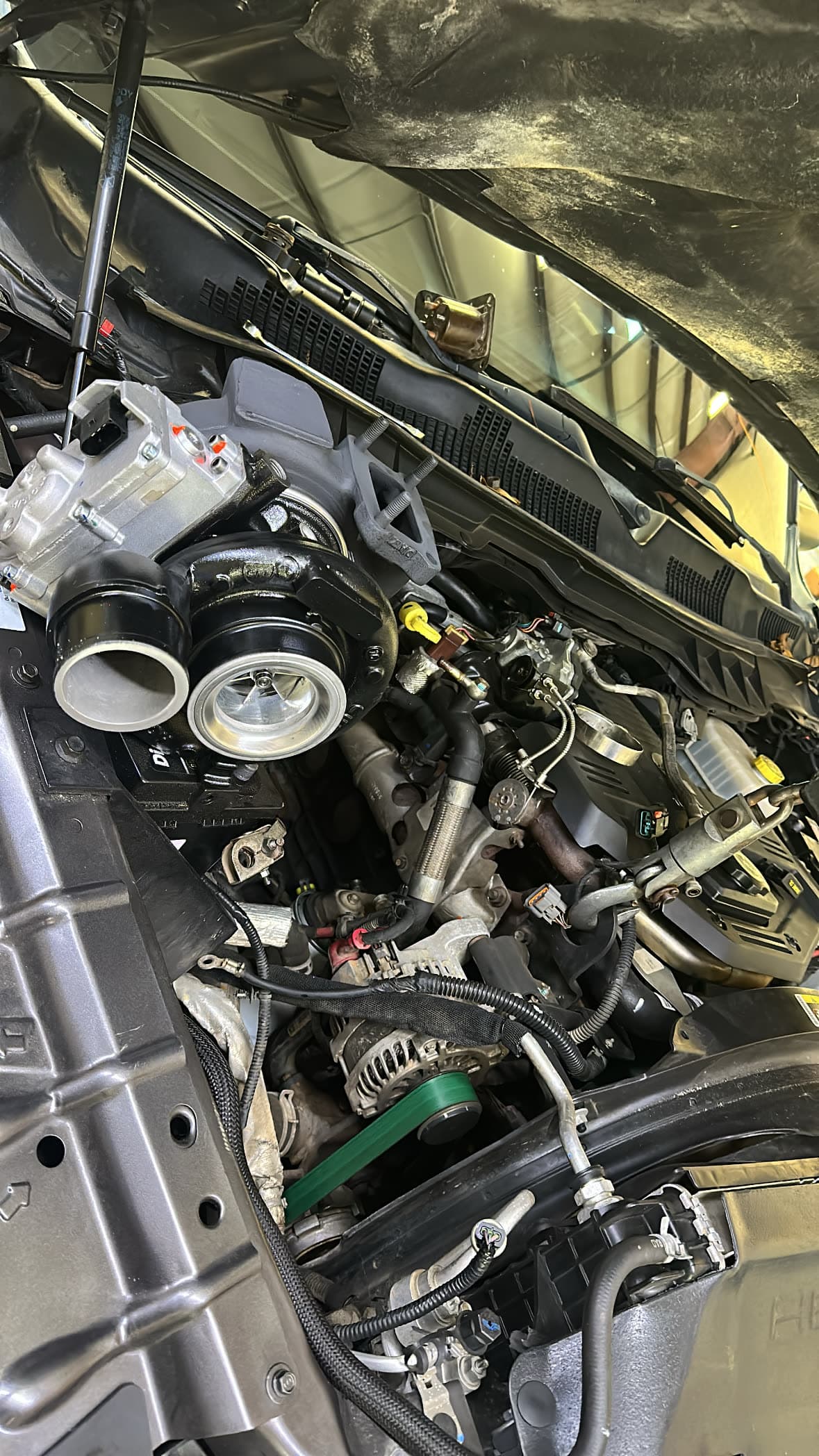
We have watched a lot of people spend money in the wrong order. A tuner goes on, power goes up, and six months later an injector job eats the entire budget. The failure rarely starts with the tune — it starts with dirty, aerated fuel that the factory filtration was never asked to handle.
What the factory system was designed for
The original lift pump and filter assembly were sized for a stock engine on good fuel. Add more demand at the rail, a few hundred thousand miles, and fuel from a station with older tanks, and the margin disappears.
What an upgraded system actually changes
- Positive pressure at the CP3 instead of suction — the pump lives longer.
- Real water separation before fuel reaches expensive components.
- Consistent pressure under load, which stabilizes rail pressure and drivability.
- Serviceable filters you can change on a schedule you control.
We have never had a customer regret doing filtration first. We have had plenty regret doing it last.
FASS or AirDog?
Both are proven platforms and both are in our catalog. FASS is the more common choice for trucks that tow hard, and the Titanium Signature Series is what we install most often. AirDog's II-5G is excellent at air separation and is our pick when the complaint is rough running under load rather than capacity.
The order that makes sense
- 01Filtration and lift pump.
- 02Monitoring and gauges.
- 03Calibration.
- 04Turbo, injectors, and driveline as the build grows.
Dana Whitfield
Service Advisor
Part of the Sunstate Diesel team in Orlando, Florida. We work on RAM/Cummins trucks daily and write these notes from what we actually see on the lift.