How to choose the right RaceME tuner for your Cummins
Model year, ECM strategy, and transmission decide the part number long before power goals do. Here is the order we work through it.
Almost every tuner question we get starts in the wrong place. Someone asks which box makes the most power, when the real question is which box is compatible with the ECM strategy in the truck they already own. Get that wrong and the best hardware in the world will not load a file.
We have shipped and installed these units for years, and the decision tree has not changed. Work through it in this order and the model basically picks itself.
Start with model year, not horsepower
Cummins changed ECM hardware and software repeatedly across the 6.7L run. A 2012 truck and a 2014 truck look similar in a parking lot and take completely different calibration files. 2007.5–2009, 2010–2012, 2013–2018, and 2019+ are the four buckets that matter for RAM applications.
| Model year | Recommended unit | Why |
|---|---|---|
| 2007.5–2009 | RaceMe JUN or PRO | Transition-year ECM strategies and mixed emissions hardware |
| 2010–2012 | RaceME PRO or Ultra | High-mileage calibration support and monitoring |
| 2013–2018 | RaceME Ultra | Largest installed base, most mature calibration library |
| 2019–2024 | RaceME Ultra | Current platform, engine and transmission calibration together |
Then confirm the transmission
The 68RFE and the Aisin AS69RC behave differently under added torque and are calibrated differently. Know which one is in your truck before you order — the VIN or the build sheet settles it, and we confirm it on every order anyway.
Decide what the truck is actually for
A truck that pulls a 12,000 lb trailer every weekend and a truck that commutes 60 miles a day want different calibrations. Both are legitimate. They are not the same file.
- Towing and work: torque where it is usable, controlled EGT, firm but not harsh shifts.
- Daily driving: responsiveness and refinement, with long-term durability prioritized over peak numbers.
- Modified builds: calibration that accounts for turbo, injectors, and intake changes rather than fighting them.
Know what monitors you are adding at the same time
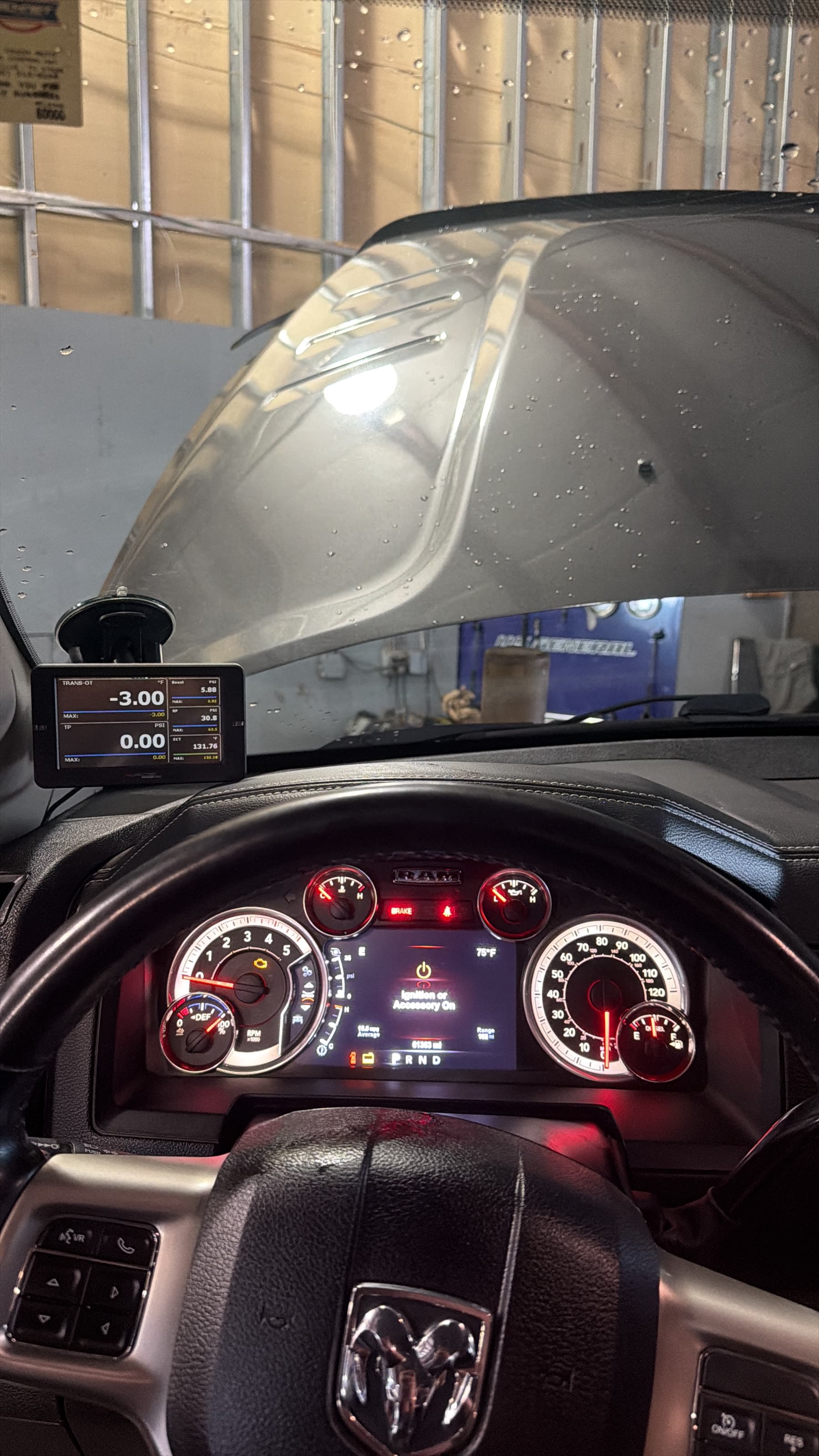
A calibration changes how the engine behaves, and you need to see what it is doing. EGT and boost are the two non-negotiables. Rail pressure and transmission temperature are close behind if the truck works.
This is the part people skip. Someone adds power, does not add gauges, and finds out about a problem when a piston does. A monitor is not the fun purchase. It is the one that keeps the fun purchase affordable.
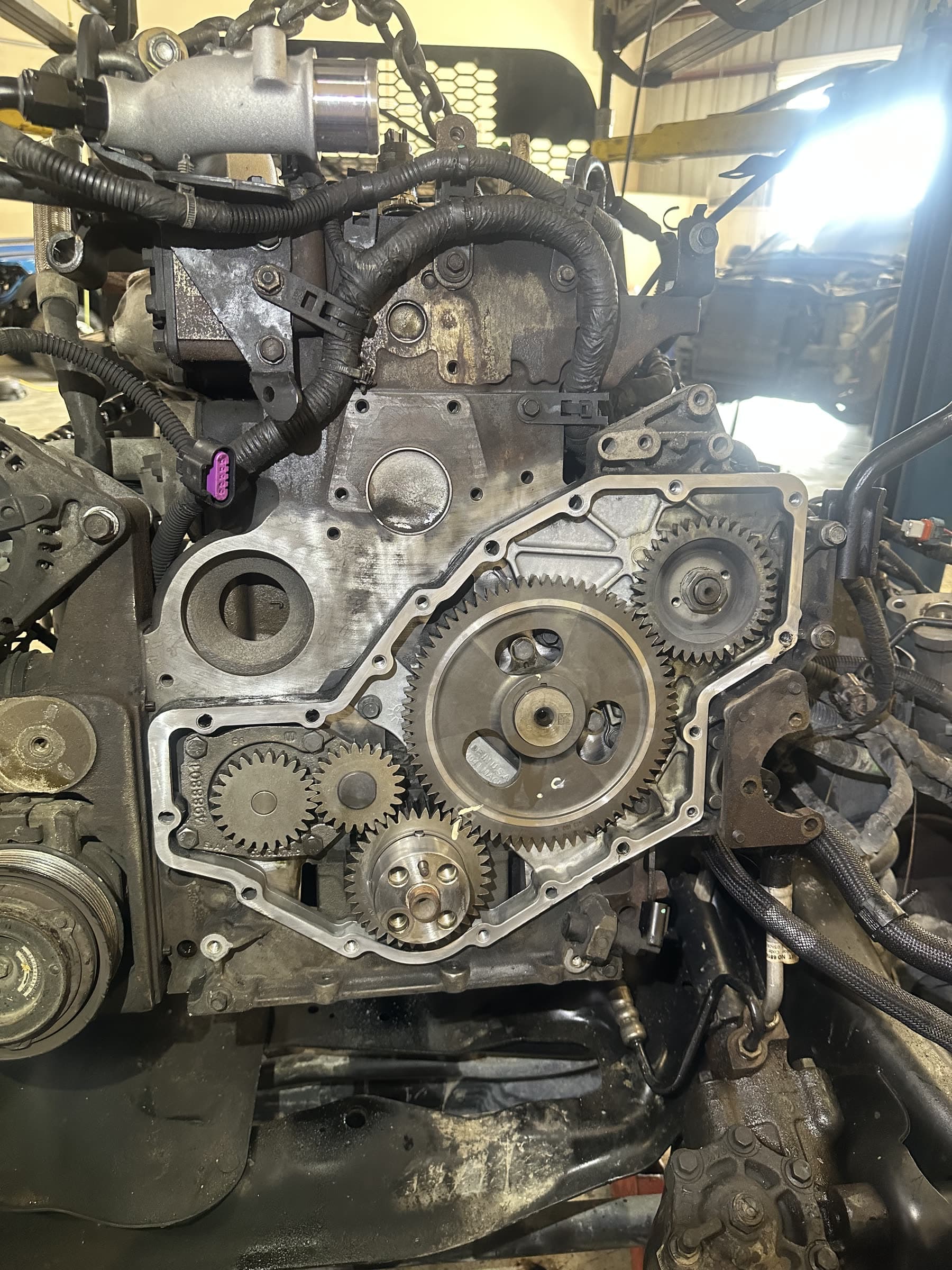
Bring us the whole picture
If you tell us the year, engine, transmission, current modifications, and how you use the truck, we will recommend the unit, the supporting parts, and what to leave alone. That conversation is free and it is the reason we ask so many questions.
Chris Boyd
Owner, Sunstate Diesel
Part of the Sunstate Diesel team in Orlando, Florida. We work on RAM/Cummins trucks daily and write these notes from what we actually see on the lift.